
Crestwood, St. Louis County
Home remodeling and renovation in Crestwood
Crestwood grew up along Route 66 after World War II, and the midcentury houses from those years still make up most of the city.
Crestwood takes its name from a 1925 subdivision near today's Diversey Drive, named for a white oak that stood on a hilltop there. Residents incorporated as a village on November 12, 1947, to keep control of planning and services as neighboring cities annexed land, and voted to become a fourth-class city on April 5, 1949. By the 1950s Watson Road, part of Route 66, was lined with motels, restaurants and service stations, and Crestwood Plaza opened in 1957 as one of the first major regional shopping centers in St. Louis County.
The plaza is gone now, replaced by Crestwood Crossing, whose Dierbergs opened in 2023, but the neighborhoods from those boom years are still there. In a house from that era, the projects that make the biggest difference are usually opening the kitchen, rebuilding the original bathrooms and reworking a closed floor plan. We take the design through Crestwood's zoning review and the County permit, then build it under one of our own project managers.
Places you will know
- Watson Road (Route 66)
- Whitecliff Park
- Crestwood Park
- Grant's Trail
- Thomas Sappington House
- Crestwood Crossing
By the numbers
Crestwood homes at a glance.
Source: U.S. Census Bureau, American Community Survey 2020 to 2024 5-year estimates, Crestwood. Figures are estimates with margins of error.
Local homes
Two decades of midcentury building
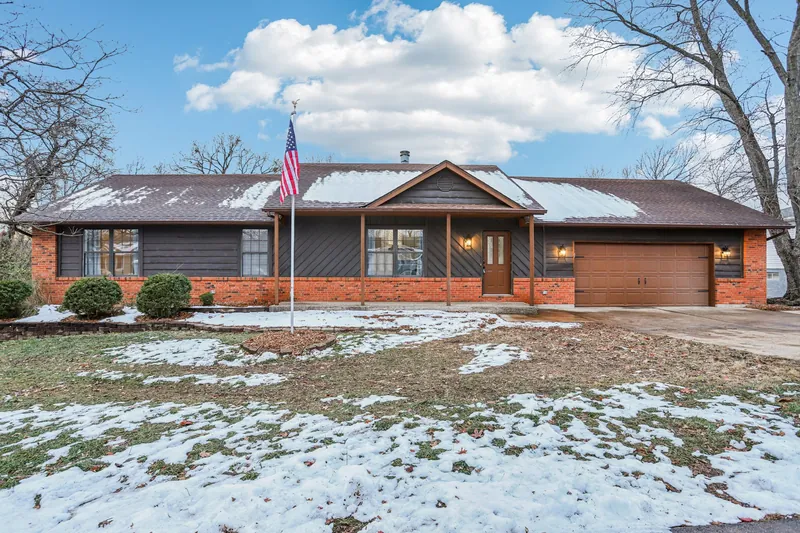
Census estimates put 42% of Crestwood's homes in the 1950s and another 27% in the 1960s, so most of the city went up in two decades. Subdivisions replaced old homesteads along the way: the Sturdy family's house on Watson Road was 110 years old when it was torn down for Sturdy Estates, though the family cemetery survives on East Watson Road at Gayle. The area's landmark old house, the Thomas Sappington House on South Sappington Road, is Federal-style red brick, with a main section built in 1808 and restored in 1965 and 1966.
A house from the 1950s or 1960s often pairs a compact footprint with a divided plan: a kitchen closed off from the living room, small baths and little storage. Opening that up starts with a structural check of the wall in question, and in Crestwood, removing walls or framing also requires a City Demolition Permit before work begins. The city is not frozen in midcentury, either. The City describes new infill development alongside its midcentury homes, and the Crestwood Crossing project includes new housing at the Villages at Crestwood Crossing.
Services
What we build in Crestwood.
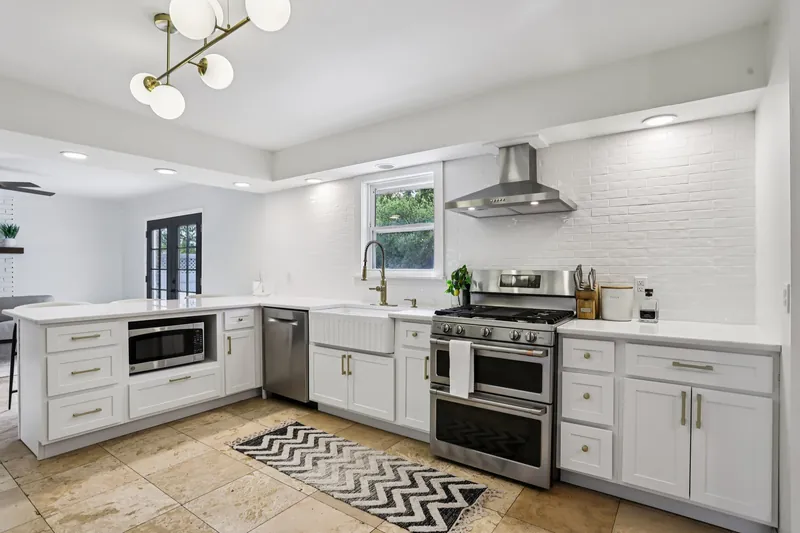
Kitchen remodeling in Crestwood
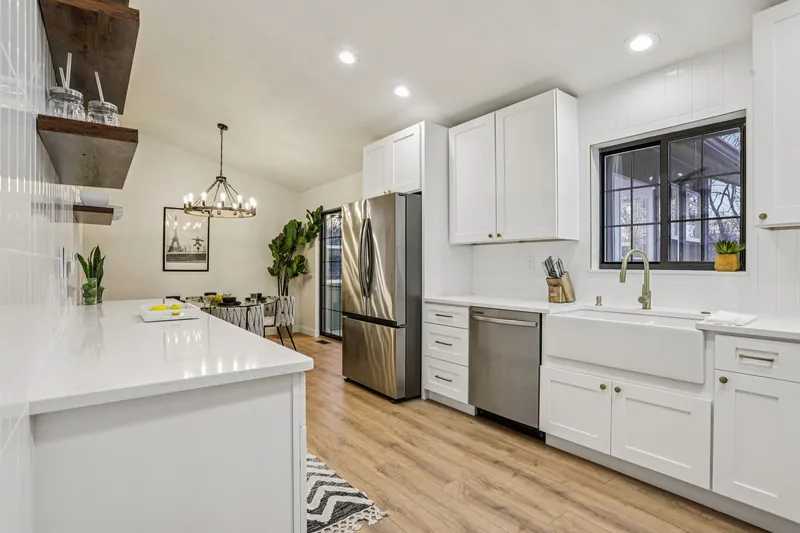
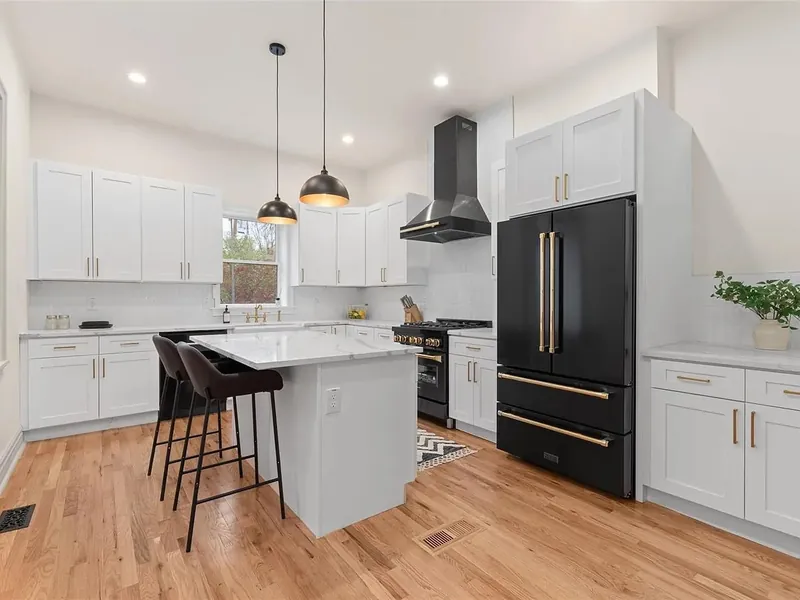
Most Crestwood kitchens sit in 1950s and 1960s houses; we redesign them around how you cook now, often by widening or removing a wall, with the structural work engineered and permitted first.
Learn more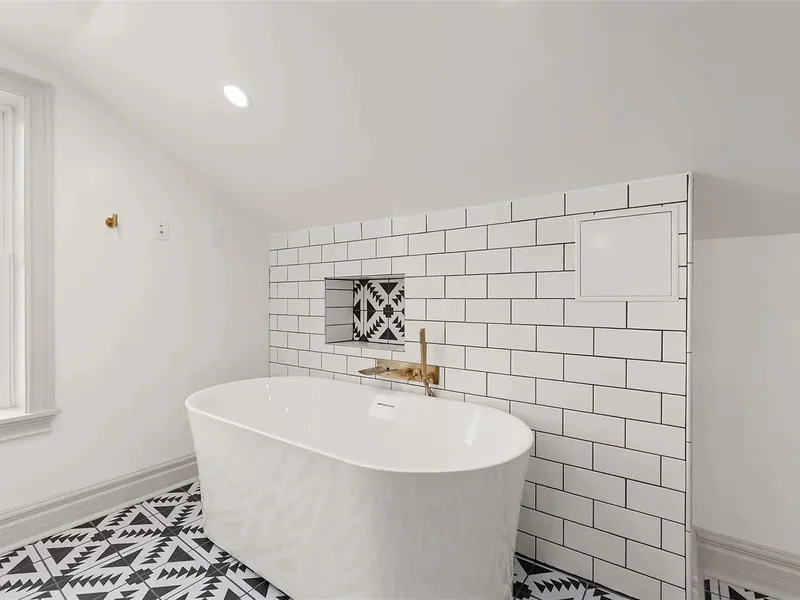
Bathroom remodeling in Crestwood
Original midcentury baths in Crestwood can be rebuilt within their footprint or reworked to borrow space from a closet or hall, with new plumbing, ventilation and tile.
Learn more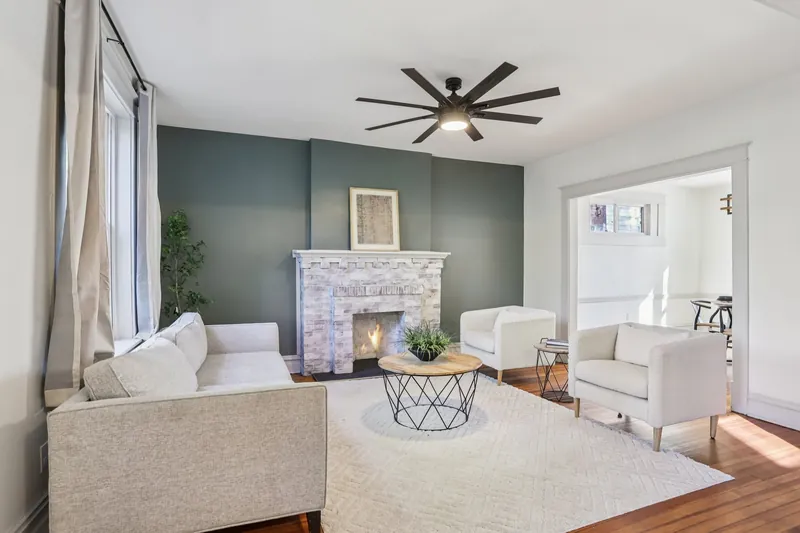
Whole-home renovation in Crestwood
For a whole-house renovation, we treat the 1950s or 1960s layout as a starting point rather than a constraint and plan structure, systems and finishes together.
Learn more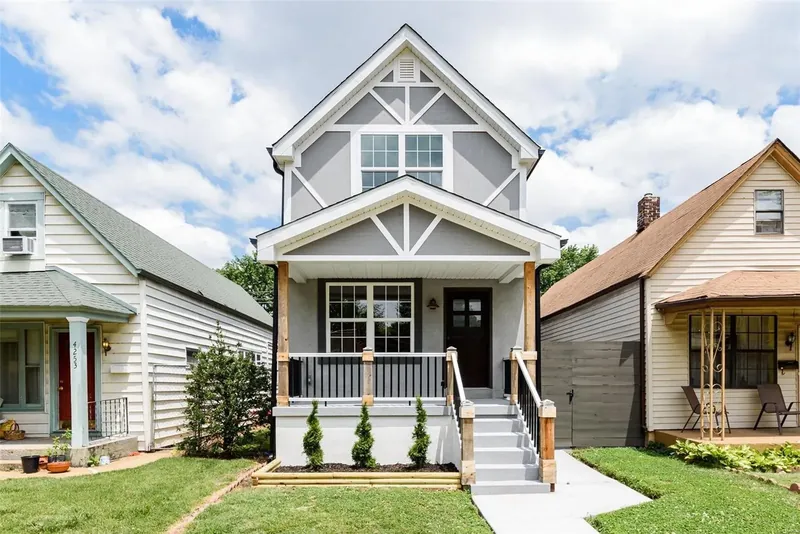
New homes and custom builds in Crestwood
On an infill lot, we design and build new homes scaled to the midcentury streets around them.
Learn moreIn Crestwood the County acts as the building department under a full contract, but the City reviews renovations first. Work involving structural changes or alterations to plumbing, mechanical or electrical systems needs a Crestwood Zoning Review Permit, and only then a County building permit and inspections.
The City's permit card has to be posted on the front door while work is underway, and contractors need a Crestwood Contractor's Business License unless they already hold a Crestwood business license.
Guides
For Crestwood homeowners.
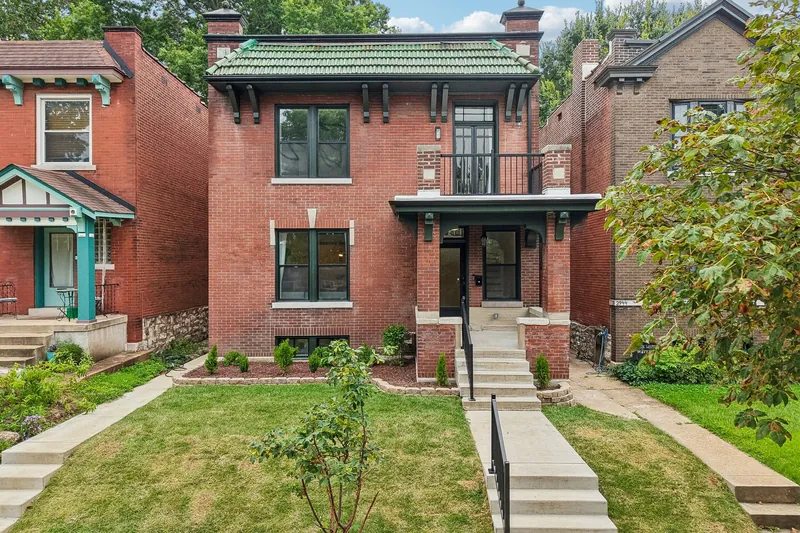
St. Louis brick homes
Why St. Louis built in brick, how solid masonry walls handle water, and what owners should know about repointing, sealers, insulation, exposed brick and historic review.
Read the guide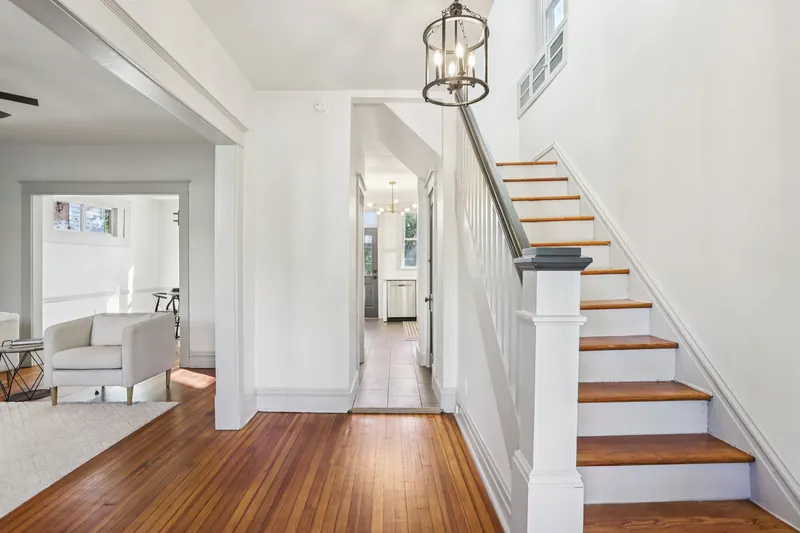
Plaster walls in old houses
Old plaster is stronger, quieter and more fire resistant than drywall, and it is often in better shape than it looks. How to read the damage, which repairs work, and when replacement is the right call.
Read the guideOld house renovation costs
Why budgets for older St. Louis homes swing so widely, where the money goes behind the walls, and how to turn your house into a number you can actually plan around.
Read the guideFAQ
Remodeling in Crestwood: common questions
Does Crestwood require an inspection when a house is sold?
Not for an owner-occupied sale. The City says it does not require an inspection or occupancy permit when an owner-occupied home is sold or bought, though every rental property in Crestwood needs a Residential Rental Occupancy Permit.
Who inspects the work on a Crestwood remodel?
St. Louis County does. Under its contract with the City, the County performs the building inspections, and in a full-contract city like Crestwood a home's electrical, plumbing and mechanical work is bundled into one Integrated Building Permit.
Free consultation
Planning a project in Crestwood?
Tell us about your home and what you want to change. The first consultation is free, and we reply within one to three business days.
- About Crestwood, City of Crestwood
- Crestwood, Missouri, Wikipedia
- Year structure built, Crestwood, ACS 2020 to 2024 5-year estimates, Census Reporter
- Thomas J. Sappington House, National Register of Historic Places nomination, Missouri State Historic Preservation Office
- People, Sunset Hills Online History Booklet, City of Sunset Hills
- Permits and Licenses, City of Crestwood
- Municipal Contract Agreements, St. Louis County Department of Transportation and Public Works
- Building Construction Permits, St. Louis County Department of Transportation and Public Works