Clayton, St. Louis County
Remodeling and historic renovation in Clayton
Much of residential Clayton is brick, stone and stucco period architecture from 1909 to 1941, laid out in private subdivisions whose covenants still matter.
Clayton was organized in 1877 and named for Ralph Clayton, who donated the land for the St. Louis County courthouse, and it is still the county seat. The residential districts around its downtown were planned with unusual care, many of them as private places with covenants: Brentmoor Park, Carrswold, Claverach Park and the Wydown-Forsyth blocks, alongside the more mixed streets of Hi-Pointe and DeMun. Owners here typically want modern kitchens and baths inside houses whose exteriors, and often whose covenants, are meant to stay put.
Modern Design + Build has its shop in Bevo Mill, in the City of St. Louis. In Clayton the design-build model pays off at the drawing stage: exterior changes that affect appearance, down to color or style, need Architectural Review Board approval or administrative review, and private subdivisions can add rules of their own. Our design team prepares the architectural drawings for those reviews, along with 3D renderings so you can judge the result first, and our project managers and foremen build the approved plan.
Places you will know
- Wydown-Forsyth
- Claverach Park
- Brentmoor Park
- Carrswold
- DeMun
- Shaw Park
By the numbers
Clayton homes at a glance.
Source: U.S. Census Bureau, American Community Survey 2020 to 2024 5-year estimates, Clayton. Figures are estimates with margins of error.
Local homes
Period houses built under private-place covenants
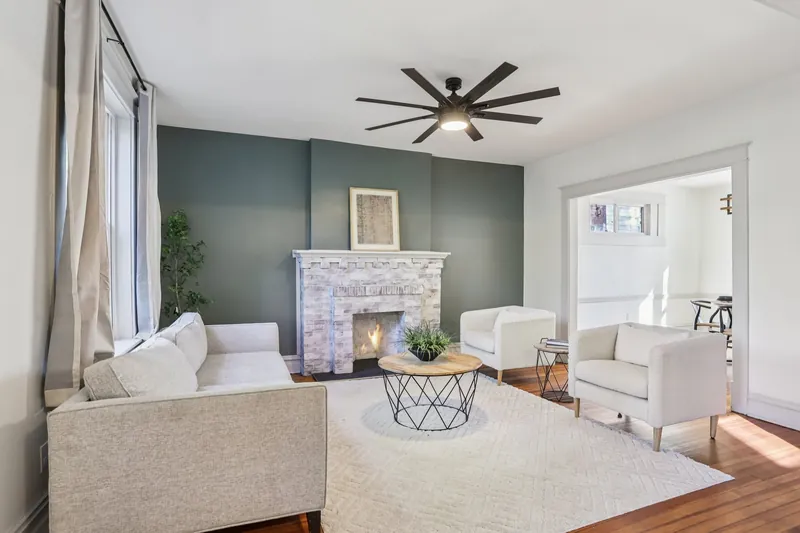
The Wydown-Forsyth district's period houses date from 1909 to 1941, about a third Georgian or Colonial Revival and a third Tudor or other English styles. Brentmoor Park, Brentmoor and Forest Ridge, laid out by Henry Wright, pair curving interior drives with lots of one to two acres and large houses split between Tudor and Georgian, Regency or Colonial Revival designs. Claverach Park, platted in 1922 and replatted in 1930, holds 210 lots of architect-designed Tudor, Georgian and Spanish Eclectic houses in brick, stone or stucco, often under slate or tile roofs. Hi-Pointe and DeMun Park, platted in 1917 and 1923, mixed one-bedroom apartments, duplexes, starter homes and mansions, most of them built by 1930.
Covenants are part of the house here. Carrswold's 1921 covenant required two full stories and banned frame dwellings, frame or metal garages and anything of the type called a California bungalow, and other private places carry restrictions of their own, so check subdivision rules alongside the city's before changing a garage or anything visible from the street. Inside, these are masonry houses with plaster walls and substantial trim, often with early tile baths, where a kitchen remodel means routing new plumbing, venting and wiring through solid construction. Slate, tile and stone are costly to match, so protecting them during interior work belongs in the plan.
Services
What we build in Clayton.
Kitchen remodeling in Clayton
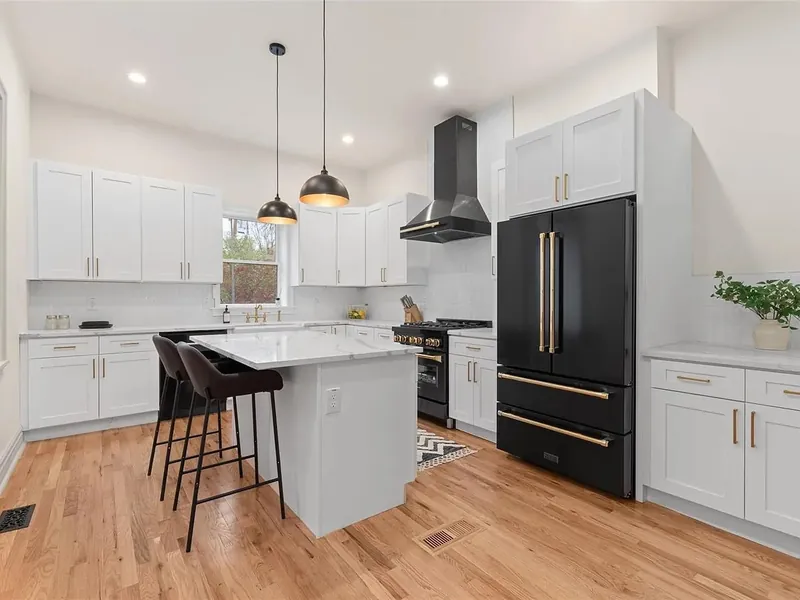
Kitchens in Clayton's period houses were often service rooms at the back, so reworking one means routing plumbing, venting and wiring through masonry and plaster with as little disruption as possible.
Learn more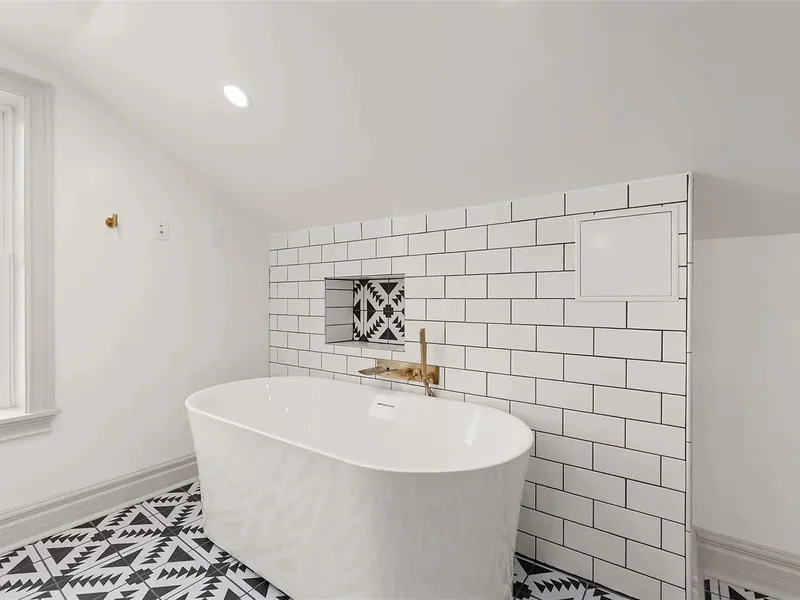
Bathroom remodeling in Clayton
Original tile baths in Wydown-Forsyth or Claverach Park houses can be rebuilt with modern waterproofing and ventilation while keeping the proportions and details that suit the house.
Learn moreWhole-home renovation in Clayton
Whole-house work in a covenant-governed subdivision goes more smoothly when the design, the ARB submittal and the construction sequence all come from one plan.
Learn more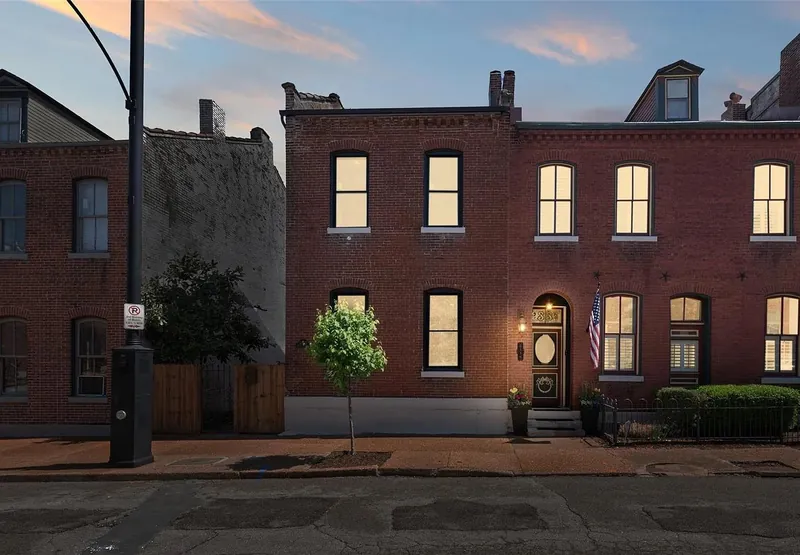
Historic restoration in Clayton
For houses in Clayton's National Register districts, including any that become local historic districts under the city's 2009 ordinance, we plan restoration so contributing features stay intact and exterior work is ready for review.
Learn moreBuilding permits in Clayton come from Building Services, part of Planning and Development Services, through the CitizenServe portal, and electrical inspections are done by St. Louis County. Plumbing beyond ordinary repairs requires a master plumber licensed through both St. Louis County and Clayton. Painting, carpet, trim, flooring, and cabinets that are not relocated or rewired need no permit.
Exterior changes that affect appearance, including color or style, need Architectural Review Board approval or administrative review. Under a 2009 ordinance, a National Register residential district can become a local historic district by owner petition and ballot, and inside one the ARB issues Certificates of Appropriateness for contributing buildings. Rentals need a new occupancy permit at each tenant change or every five years. Ask Building Services to confirm current requirements, including whether an owner-occupied sale calls for an inspection, before work begins.
Guides
For Clayton homeowners.
St. Louis brick homes
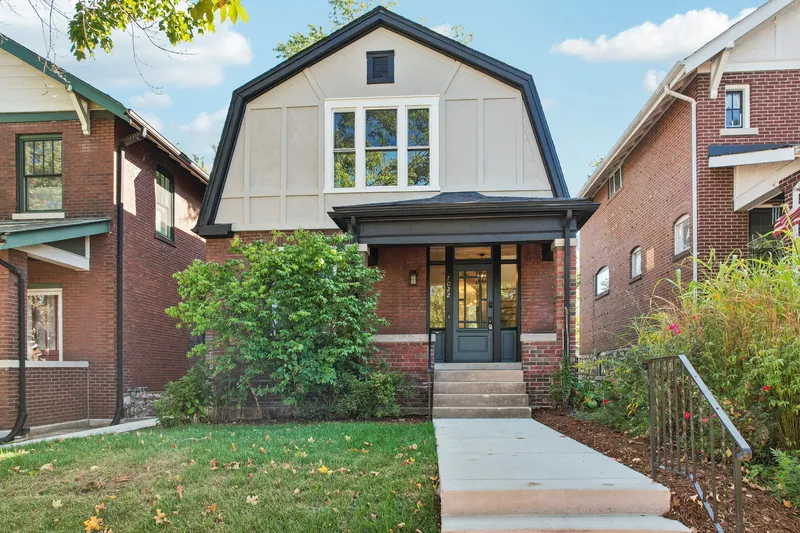
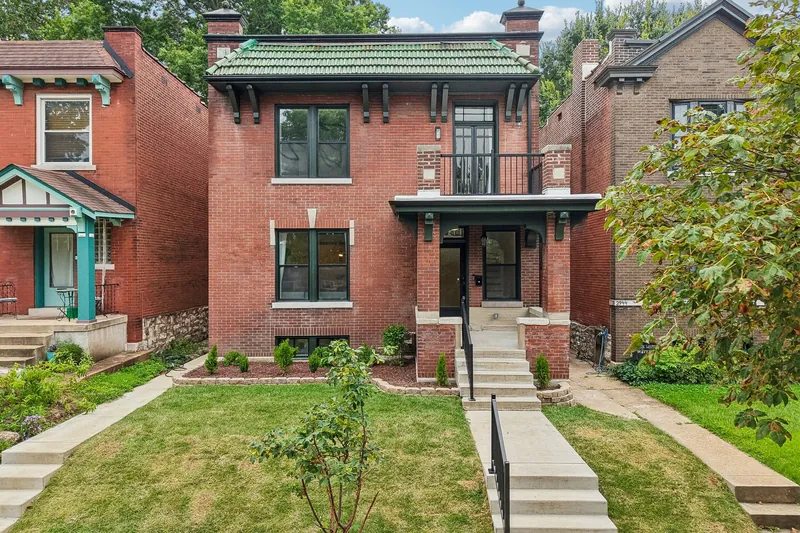
Why St. Louis built in brick, how solid masonry walls handle water, and what owners should know about repointing, sealers, insulation, exposed brick and historic review.
Read the guide
Plaster walls in old houses
Old plaster is stronger, quieter and more fire resistant than drywall, and it is often in better shape than it looks. How to read the damage, which repairs work, and when replacement is the right call.
Read the guideOld house renovation costs
Why budgets for older St. Louis homes swing so widely, where the money goes behind the walls, and how to turn your house into a number you can actually plan around.
Read the guideFAQ
Remodeling in Clayton: common questions
Does repainting a Clayton house require Architectural Review Board approval?
Possibly. Clayton requires ARB approval or administrative review for exterior changes that affect appearance, and the city names color among them. Interior painting needs no permit at all.
Who can do the plumbing on a Clayton remodel?
For anything beyond ordinary repairs, Clayton requires a master plumber licensed through both St. Louis County and the city. Ask any contractor bidding your job which plumber they use, and confirm both licenses.
Do subdivision covenants apply on top of city rules?
In many Clayton neighborhoods they do. Several of the city's private places were laid out with covenants covering matters such as building height, materials and garages, Carrswold among them. Read your subdivision's indentures and talk to its trustees before planning exterior changes or a new garage.
Nearby areas we serve
Free consultation
Planning a project in Clayton?
Tell us about your home and what you want to change. The first consultation is free, and we reply within one to three business days.
- Clayton, Missouri, Wikipedia
- Wydown-Forsyth District, National Register nomination, Missouri State Parks
- Brentmoor Park, Brentmoor and Forest Ridge, National Register nomination, Missouri State Parks
- Carrswold Historic District, National Register nomination, Missouri State Parks
- Claverach Park Historic District, National Register nomination, Missouri State Parks
- Hi-Pointe-De Mun Historic District, National Register nomination, Missouri State Parks
- Building Services, City of Clayton
- Clayton Code of Ordinances, historic district provisions (Ord. 6054), eCode360