
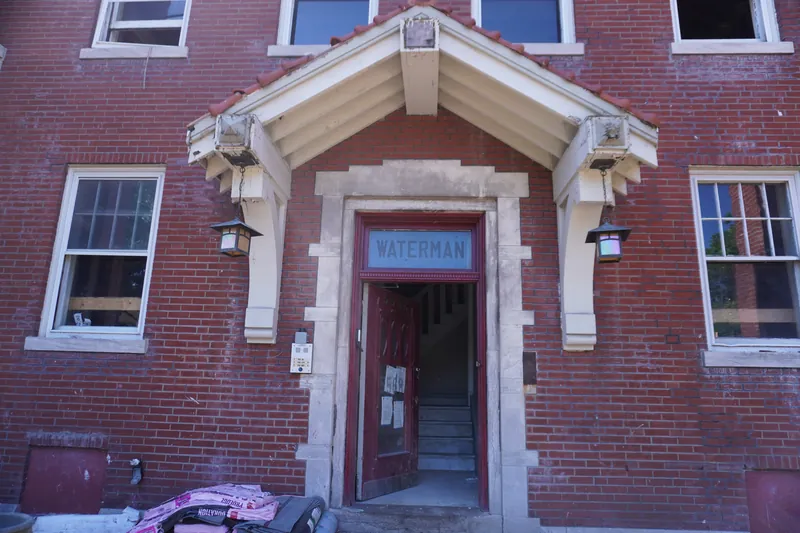
Central West End, City of St. Louis
Renovating homes and condos in the Central West End
The Central West End grew with Forest Park and the 1904 World's Fair, from private places platted in 1888 to blocks of apartments and flats. We renovate large houses and single condo units alike, with the district's design review built into the plan.
The Central West End runs from Delmar Boulevard to I-64, between North Vandeventer Avenue on the east and Kingshighway and Union Boulevards on the west. Forest Park, dedicated on June 25, 1876, drew wealthy residents west, development began at the neighborhood's eastern end in the 1880s, and the 1904 World's Fair made the area even more popular with the city's social and business elite. Euclid Avenue became its center, the Cathedral Basilica rose between 1907 and 1914, and the neighborhood sits near Barnes-Jewish Hospital, Children's Hospital and the Washington University School of Medicine.
Renovation here splits two ways. On the private places and main boulevards, large architect-designed houses carry well over a century of updates, and a project often means undoing old changes as much as making new ones. In the apartment and flat buildings, the job is usually a single unit, where the building's own rules and shared structure set the limits. The Central West End became a historic district in 1974, so for buildings inside its boundary, exterior changes also go through Cultural Resources Office review.
Places you will know
- Forest Park
- Cathedral Basilica of St. Louis
- Euclid Avenue
- Portland and Westmoreland Places
- Westminster Place
- Lindell Boulevard
Local homes
Private places, boulevard mansions and early apartments
Julius Pitzman platted Portland and Westmoreland Places in 1888 on the old Cabanne dairy farm, and their houses include Chateau, Georgian Revival, Richardsonian Romanesque, Italian Villa and Palazzo designs. Fullerton's Westminster Place Addition, developed in the 4300 and 4400 blocks in 1891, is especially rich in fine residential architecture by firms including Barnett, Haynes and Barnett and Weber and Groves, and Lenox, Pershing, Kingsbury and Hortense Places hold classic residences from the World's Fair era. Elsewhere, most residential buildings are apartments and flats, and in the 1920s the large mansions on Lindell began giving way to high-rise apartment buildings.
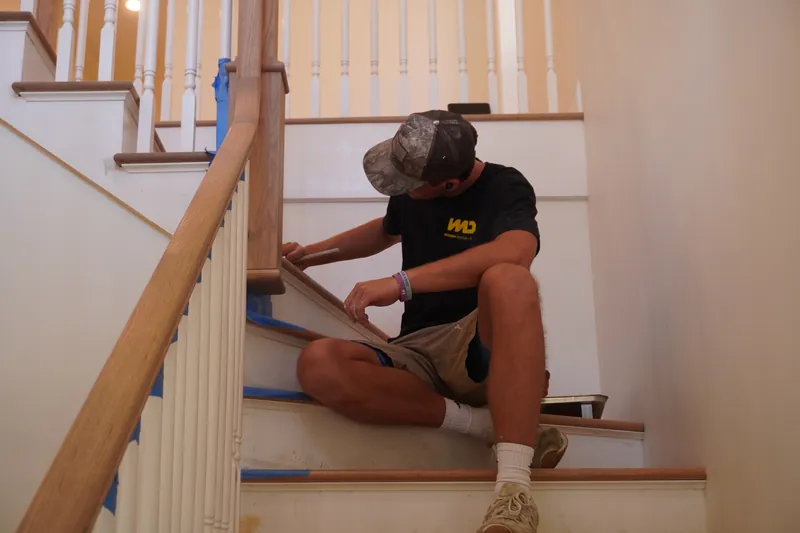
In a big Central West End house, expect tall plaster walls, elaborate millwork and stairs, and kitchens and baths that may have been redone several times. Good renovations here start by sorting out what is original and what is not, then restore plaster and woodwork while rebuilding kitchens, baths and systems around them. In a condo, read the association's rules on plumbing, flooring, approvals and work hours before design starts, and remember that windows and other exterior items can need both association approval and district review.
Services
What we build in Central West End.
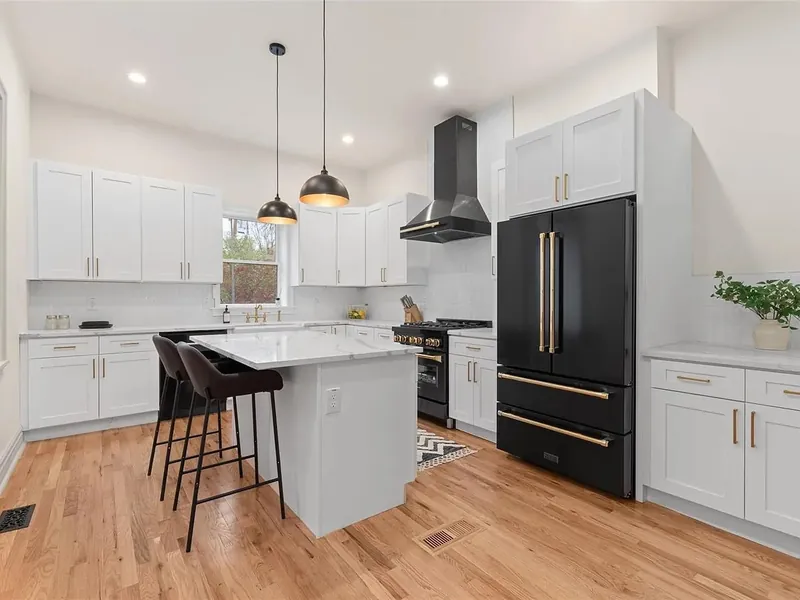
Kitchen remodeling in Central West End
In a large Central West End house, the kitchen may already have been remodeled several times. We start from the structure and plumbing that are actually there, then design a room that suits the rest of the house.
Learn more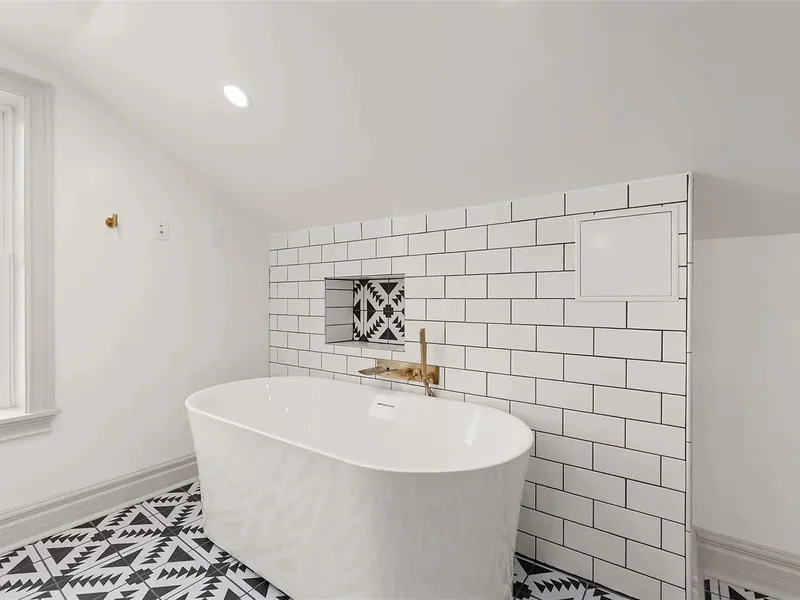
Bathroom remodeling in Central West End
From a primary bath in a private-place house to a condo bath on a shared stack, we plan around floor structure, existing drain lines and the association's rules. Plumbing permits go only to licensed plumbing contractors certified by the City.
Learn more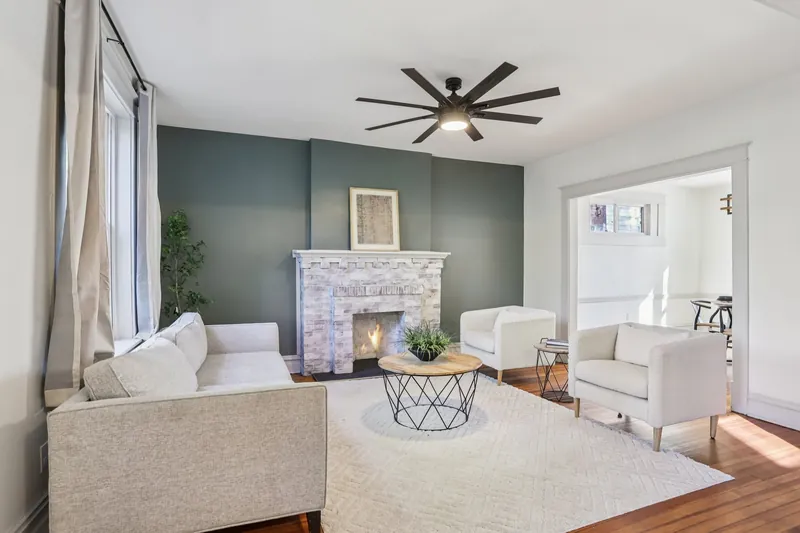
Whole-home renovation in Central West End
Whole-house work in a boulevard or private-place house means sequencing systems, kitchens, baths and finishes so plaster and millwork stay protected throughout.
Learn more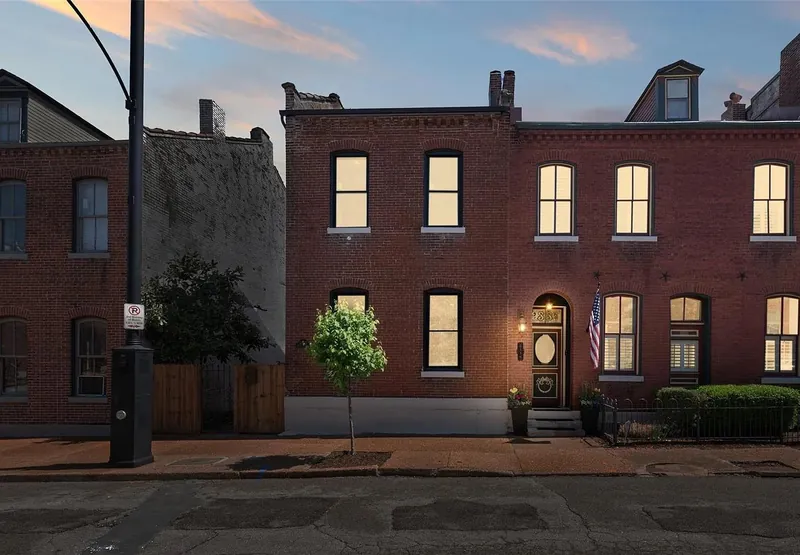
Historic restoration in Central West End
The Cultural Resources Office reviews exterior work inside the historic district against the district's posted standards. Inside, we restore plaster, millwork and stairs where they are sound and replace them sympathetically where they are not.
Learn moreThe Central West End became a historic district in 1974 and is one of the City's eight Certified Local Historic Districts; the Cultural Resources Office posts its ordinances, its standards and a district boundary map. Inside the boundary, exterior changes are reviewed for compliance with the standards, and even repainting, tuckpointing, or swapping windows, doors, gutters or fences needs CRO sign-off, usually with a building permit the code alone would not require.
Interior projects are filed on STL City Permits, the City's online portal, with plumbing, electrical and mechanical work permitted separately. Condo owners should confirm their association's approval process before the City application goes in.
Guides
For Central West End homeowners.
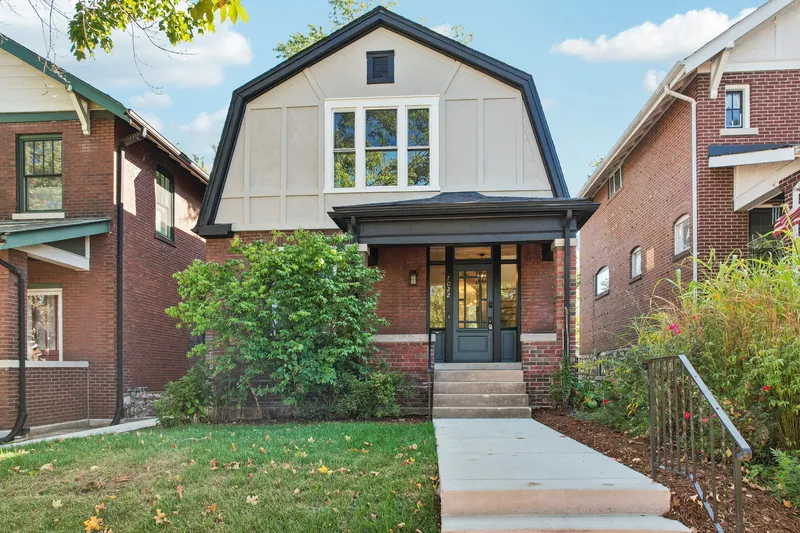
St. Louis historic districts
In a City of St. Louis historic district, exterior work from windows to paint can need Cultural Resources Office approval before a permit is issued. What gets reviewed, how long it takes and how to plan.
Read the guide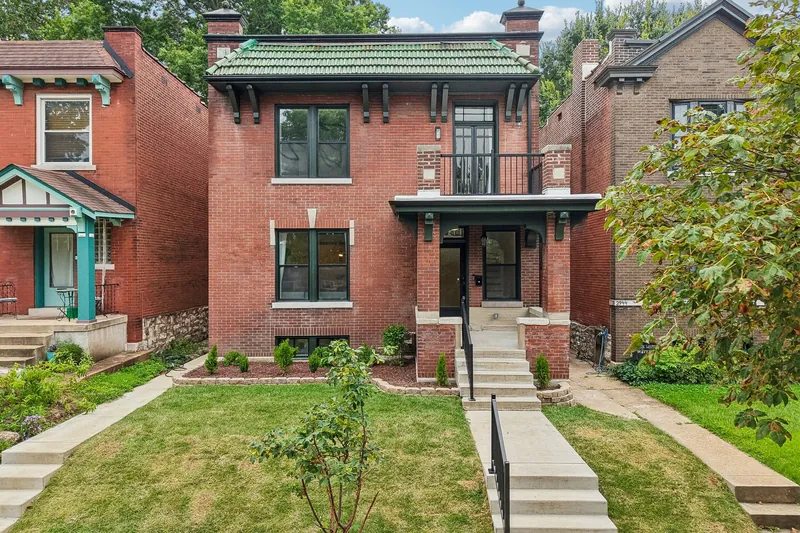
St. Louis brick homes
Why St. Louis built in brick, how solid masonry walls handle water, and what owners should know about repointing, sealers, insulation, exposed brick and historic review.
Read the guideOld house renovation costs
Why budgets for older St. Louis homes swing so widely, where the money goes behind the walls, and how to turn your house into a number you can actually plan around.
Read the guideFAQ
Remodeling in Central West End: common questions
Is my building in the Central West End historic district?
Check the district boundary map that the Cultural Resources Office posts with the Central West End ordinances and standards. If your building is inside it, exterior changes are reviewed against those standards.
Can I renovate my Central West End condo?
You can, and interior condo work follows the City's regular permit rules, with separate permits for plumbing, electrical and mechanical work. Your association may have its own approvals, insurance requirements and work hours, so get them in writing before design starts.
Do new windows in a Central West End condo building need approval?
If the building sits inside the local historic district boundary, replacement windows need Cultural Resources Office approval first, whatever the building code says. In a condo building, the association may need to sign off as well.
Free consultation
Planning a project in Central West End?
Tell us about your home and what you want to change. The first consultation is free, and we reply within one to three business days.
- Central West End Neighborhood Overview, City of St. Louis
- Central West End, Neighborhood Histories by Norbury L. Wayman, City of St. Louis
- Portland and Westmoreland Places, National Register nomination, Missouri State Historic Preservation Office
- Central West End Historic District, Cultural Resources Office, City of St. Louis
- City Historic Districts, Cultural Resources Office, City of St. Louis
- Residential Permit Criteria, Building Division, City of St. Louis
- City of St. Louis Launches New Online Building Permit Portal, Office of the Mayor (March 5, 2026)
- Plumbing Permit, Building Division, City of St. Louis