
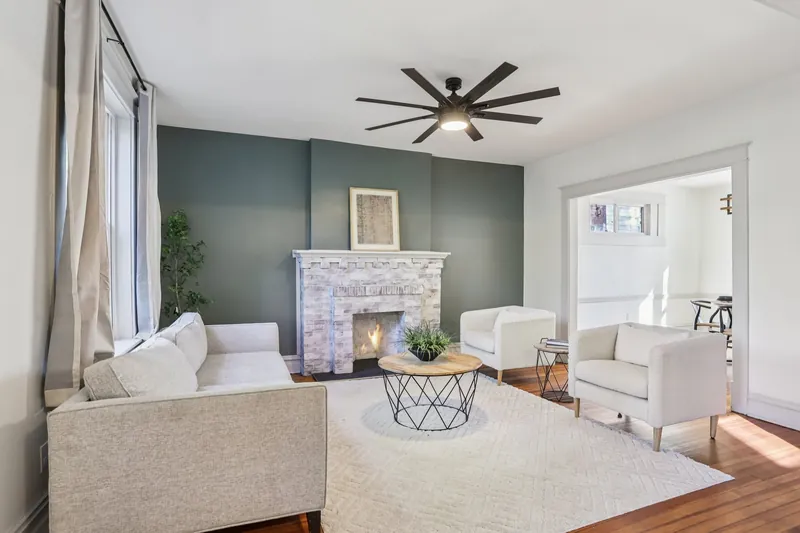
Shaw, City of St. Louis
Home remodeling in Shaw
Shaw sits beside the Missouri Botanical Garden and Tower Grove Park, and most of it was built between 1890 and 1915. Its kitchens, baths and flats can be thoroughly modernized, while its exteriors answer to the Shaw historic district standards.
Shaw is bounded by I-44 on the north, Magnolia Avenue on the south, South Grand on the east and Tower Grove Avenue on the west. Henry Shaw, a hardware merchant who arrived from England in 1819, founded the Missouri Botanical Garden on his land in 1858 and deeded 276 acres to the city for Tower Grove Park in 1868. In 1857 he and fellow landowner Mary L. Tyler agreed by deed to open Shaw, Flora and Tower Grove Avenues and to bar offensive factories and other nuisances from their land. Real building momentum came with the Grand Avenue Viaduct in 1889.
Some building came earlier, such as Shaw Place, 10 rental houses Henry Shaw built from 1878 to 1883, but most of the neighborhood went up between 1890 and 1915, with building to the north continuing until 1924. Homes range from single-family houses to large multi-unit apartment buildings, and Shaw became a Certified Local Historic District in 1985. In practice that splits a renovation in two: the exterior follows the district standards, while kitchens, baths and the layout of a flat follow the City's ordinary permit rules, and that is where the most room for change lies.
Places you will know
- Missouri Botanical Garden
- Tower Grove Park
- Shaw Place
- Flora Place
- Tyler Place
- Magnolia Avenue
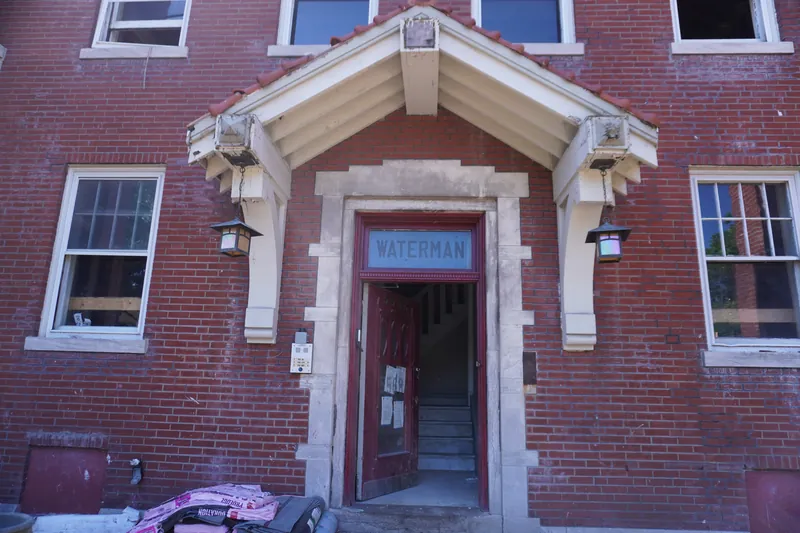
Local homes
Flats, Flora Place houses and Shaw Place
In the Tyler Place area, most buildings went up between 1900 and 1925, and deed restrictions there established a uniform building line and limited construction to two-story brick buildings. Single-family houses are found along Flora Place and off Magnolia Avenue; elsewhere, flats predominate. An early set piece is Shaw Place, 10 houses designed by the architects Barnett & Taylor. The first four, permitted in December 1878, are red brick with limestone trim under abbreviated mansard roofs, and they were advertised for rent as fine new double houses with nine rooms.
A Shaw flat gives an owner a clear choice: update both units, for family or rental income, or combine them into one house with a reworked stair. The brick shell stays either way, so the work happens inside. New wiring and plumbing run through floors and interior walls rather than the masonry, kitchens and baths go where the structure and drain lines make sense, and plaster, trim and floors are restored where they are sound. If the heating changes, a new furnace or boiler needs a mechanical permit, issued to licensed mechanical contractors certified by the City.
Services
What we build in Shaw.
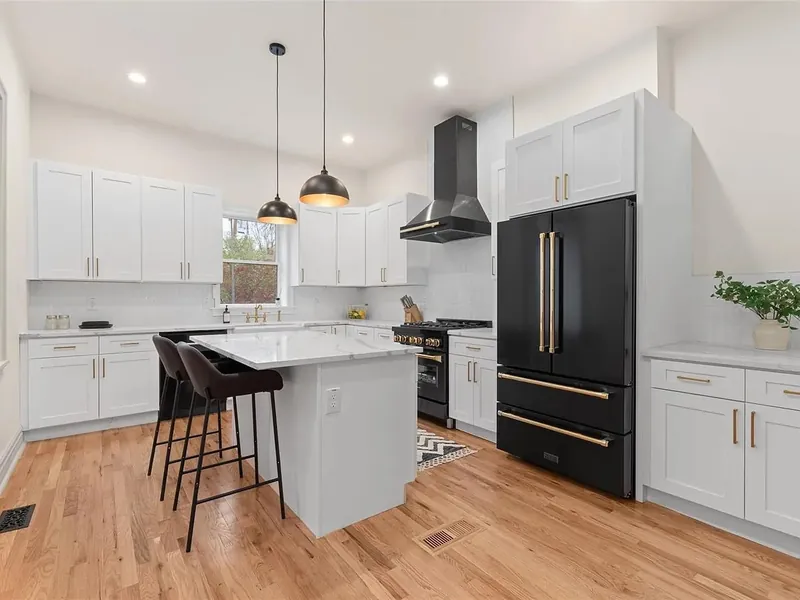
Kitchen remodeling in Shaw
On Flora Place and the streets off Magnolia, where Shaw's single-family houses concentrate, a kitchen remodel may include opening walls, with engineering if a wall carries load. In the flats, the goal is usually more storage and better light within the same footprint.
Learn more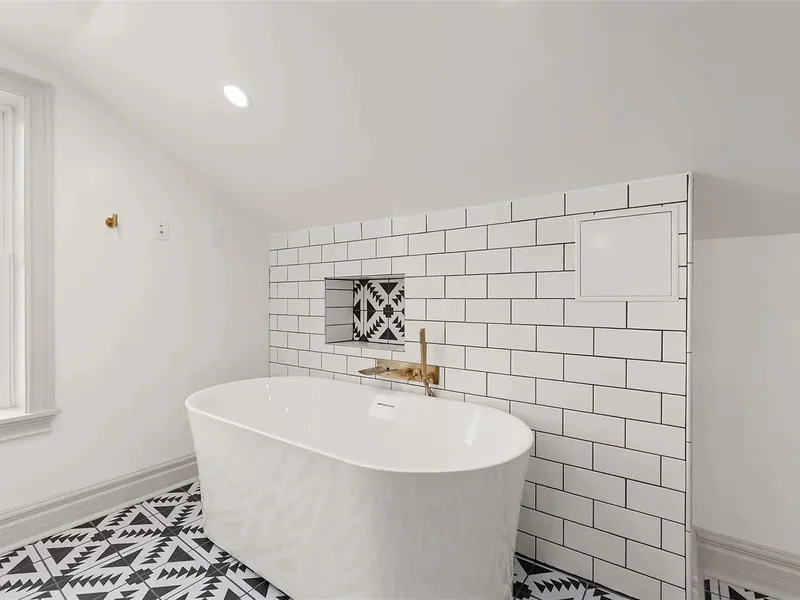
Bathroom remodeling in Shaw
We plan new and enlarged bathrooms where they can share plumbing with the floor below, with proper ventilation and waterproofing behind the tile.
Learn moreWhole-home renovation in Shaw
Combining two flats into one house means one kitchen, a reworked stair, and bedrooms and baths arranged for one household. We plan it in drawings and 3D renderings before anything comes down.
Learn more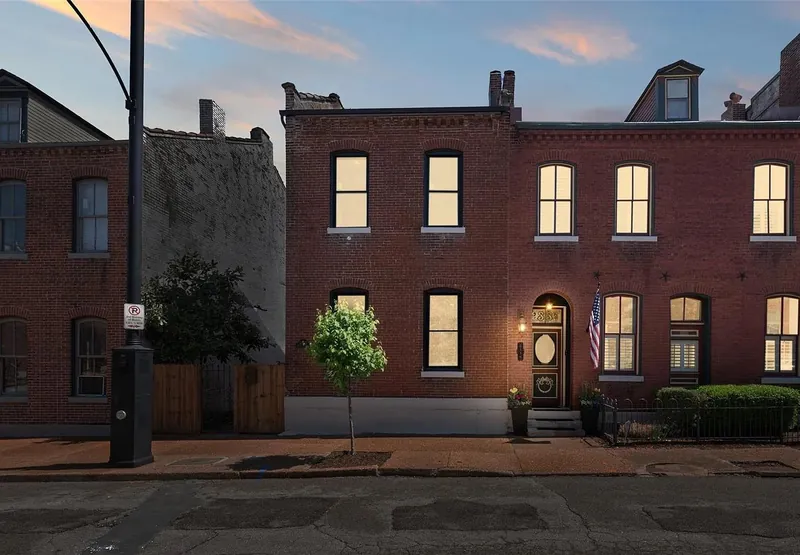
Historic restoration in Shaw
Exterior changes are reviewed under the Shaw district ordinance and standards, so restoration starts with what is original and what those standards allow. Inside, we save plaster, trim and old floors wherever they are worth saving.
Learn moreShaw has been a Certified Local Historic District since 1985, under Ordinance #59400, and like every local district it has its own rehabilitation and design standards, developed with neighborhood residents. In most cases the City's Cultural Resources Office checks exterior changes against those standards, and larger projects may also go before the Preservation Board. Approval is also needed for items the building code leaves alone, such as exterior paint, windows, doors, gutters, tuckpointing and fences.
Inside the house, the Building Division's normal rules apply. Applications are made online through STL City Permits, and the trades (plumbing, electrical, mechanical) each need a permit of their own.
Guides
For Shaw homeowners.
St. Louis historic districts
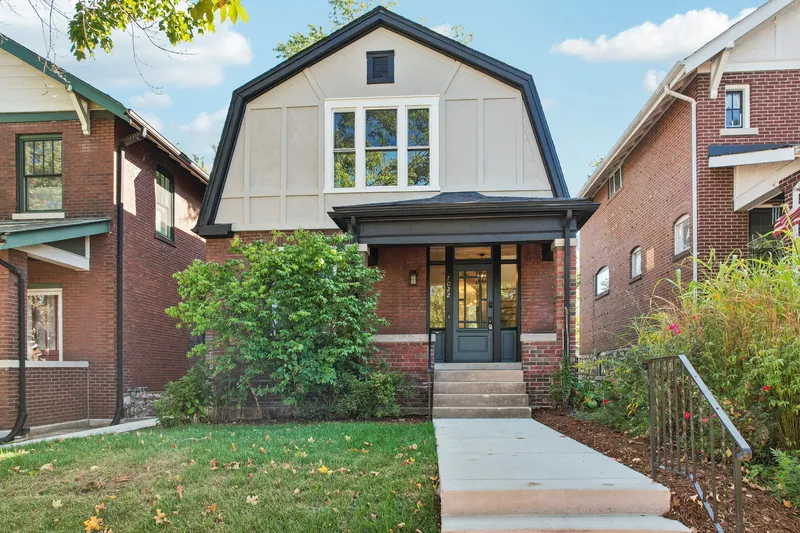
In a City of St. Louis historic district, exterior work from windows to paint can need Cultural Resources Office approval before a permit is issued. What gets reviewed, how long it takes and how to plan.
Read the guide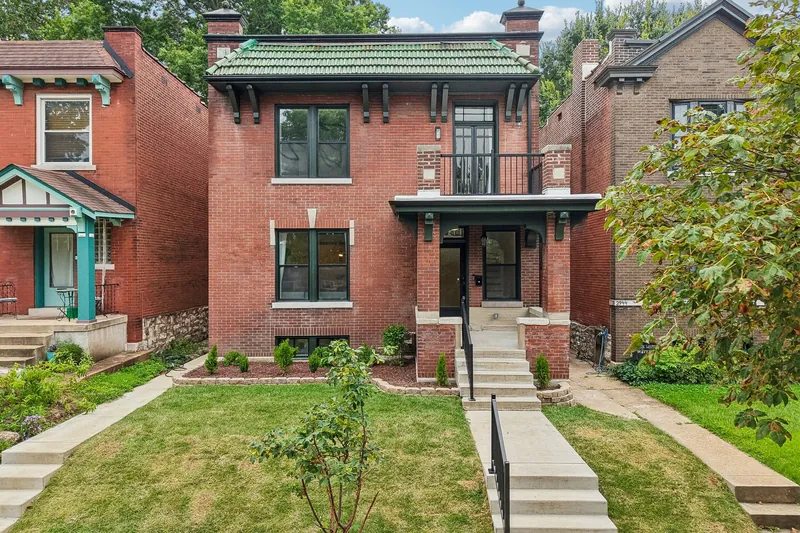
St. Louis brick homes
Why St. Louis built in brick, how solid masonry walls handle water, and what owners should know about repointing, sealers, insulation, exposed brick and historic review.
Read the guideOld house renovation costs
Why budgets for older St. Louis homes swing so widely, where the money goes behind the walls, and how to turn your house into a number you can actually plan around.
Read the guideFAQ
Remodeling in Shaw: common questions
Do interior remodels in Shaw need historic review?
No. Historic review in Shaw covers exterior changes, so a kitchen, bath or flat conversion follows the Building Division's regular permit rules. Interior work that moves partitions, touches structure or involves the trades still needs City permits.
Where are the single-family houses in Shaw?
Mostly along Flora Place and off Magnolia Avenue. Elsewhere in the Tyler Place area, flats predominate, according to the City's neighborhood history, and the neighborhood also includes large multi-unit apartment buildings.
Free consultation
Planning a project in Shaw?
Tell us about your home and what you want to change. The first consultation is free, and we reply within one to three business days.
- Shaw Neighborhood Overview, City of St. Louis
- Shaw: Residential Development, Neighborhood Histories by Norbury L. Wayman, City of St. Louis
- Shaw Avenue Place, National Register nomination, Missouri State Historic Preservation Office
- Shaw Neighborhood Historic District, Cultural Resources Office, City of St. Louis
- City Historic Districts, Cultural Resources Office, City of St. Louis
- Residential Permit Criteria, Building Division, City of St. Louis
- City of St. Louis Launches New Online Building Permit Portal, Office of the Mayor (March 5, 2026)
- Mechanical Permit, Building Division, City of St. Louis