
St. Louis City, City of St. Louis
Home renovation in the City of St. Louis
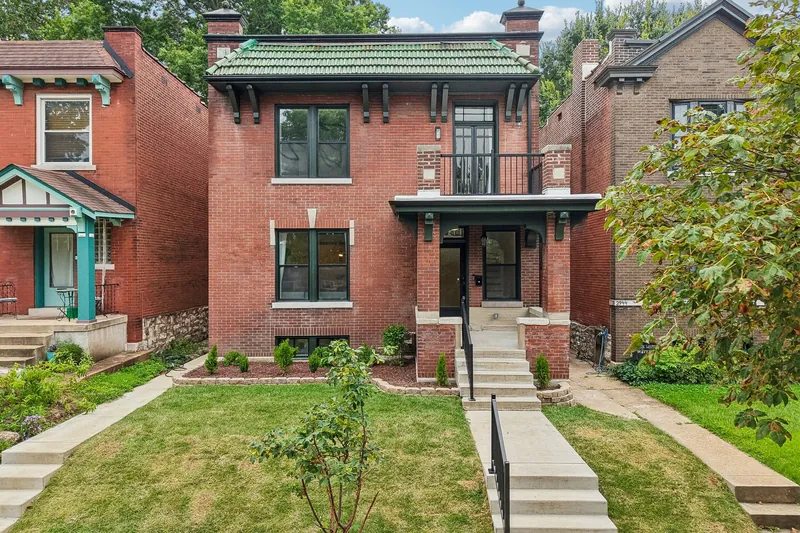
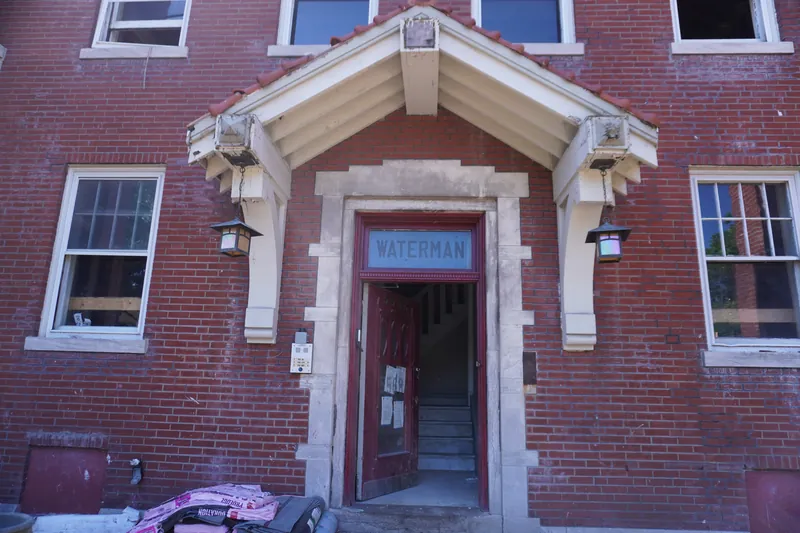
Most St. Louis houses are brick, the legacy of the 1849 fire, and many sit in one of the City's 18 local historic districts. We renovate them from our Gravois Avenue shop in Bevo Mill.
Our shop is at 5822 Gravois Ave, in the Bevo Mill neighborhood on the city's south side, so the city is home ground for this design-build firm. Our design side draws plans, handles engineering and interior design, and produces 3D renderings, while our own project managers and foremen lead the work on site. In the city, remodeling usually means working inside older brick walls: new kitchens and baths, reworked floor plans, updated wiring and plumbing, and careful repair of the plaster, trim and floors worth keeping. When a house sits in a local historic district, the exterior part of the job also starts with the City's Cultural Resources Office.
The city runs its own permit office, certifies its own trade contractors and has 18 local historic districts, so the rules on this page apply anywhere inside the city limits. For a closer look, we have written pages for eight neighborhoods: Soulard, Lafayette Square, Benton Park, Tower Grove South, Shaw, Bevo Mill (where our shop is), St. Louis Hills and the Central West End. Five of them share their names with local historic districts, and each page covers the local housing, the landmarks and what they mean for a remodel.
Places you will know
- Forest Park
- Tower Grove Park
- Missouri Botanical Garden
- Soulard Market
- Lafayette Park
- Gravois Avenue
By the numbers
St. Louis City homes at a glance.
Source: U.S. Census Bureau, American Community Survey 2020 to 2024 5-year estimates, St. Louis City. Figures are estimates with margins of error.
Neighborhoods we work in
Local homes
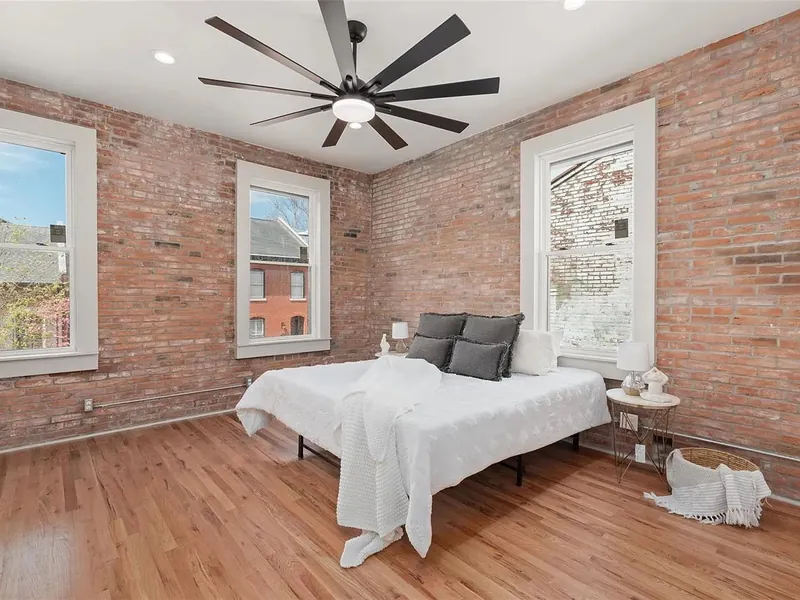
A brick city since the fire of 1849
In 1849 the steamer White Cloud caught fire, the flames spread quickly to other steamboats and wood frame buildings, and the blaze destroyed blocks of buildings and 23 steamers. Soon afterward, the city required new structures to be built of less flammable material, and when portions of downtown and Soulard rose from the ashes, they rose in brick or masonry. As late as the 1880s, deeds in some new developments still required masonry construction. The City's preservation plan puts it plainly: the preponderance of brick structures in St. Louis is the legacy of the White Cloud fire.
The same plan traces the house types that came later: bungalows from about 1900 to 1920, one-story brick houses with shaped front parapets from the same years, one-and-a-half-story front-gambrel houses, and one-story Neo-Tudor Revival houses of the 1930s and 1940s. Whatever the type, renovating a brick house differs from working on a wood-framed one. New wiring, plumbing and ductwork usually travel through floors and interior partitions instead of outside walls, old plaster is often worth repairing rather than replacing, and a new opening in a brick bearing wall needs engineering and a City building permit.
Services
What we build in St. Louis City.
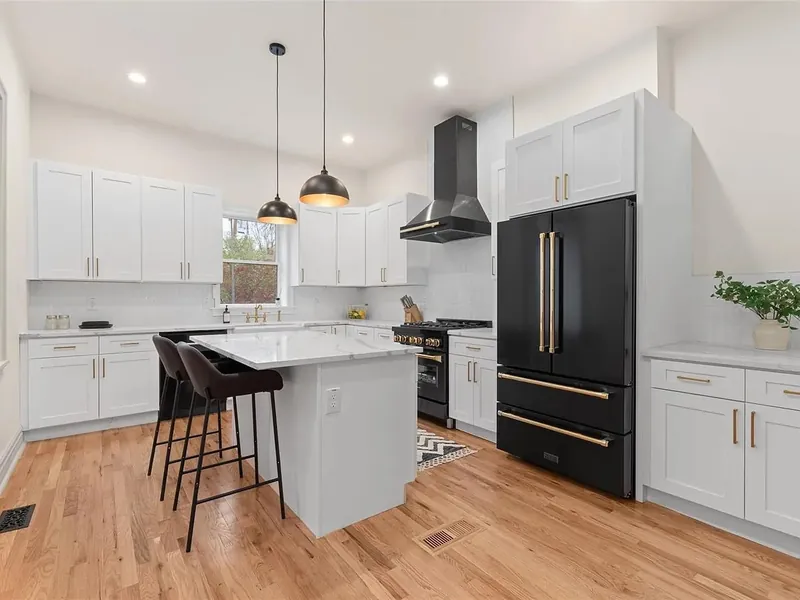
Kitchen remodeling in St. Louis City
In a brick city house, the kitchen layout has to work with masonry walls that do not easily hide new pipes or ducts. We plan around the structure and existing plumbing first, then storage and finishes, and show you the room in 3D renderings before work begins.
Learn more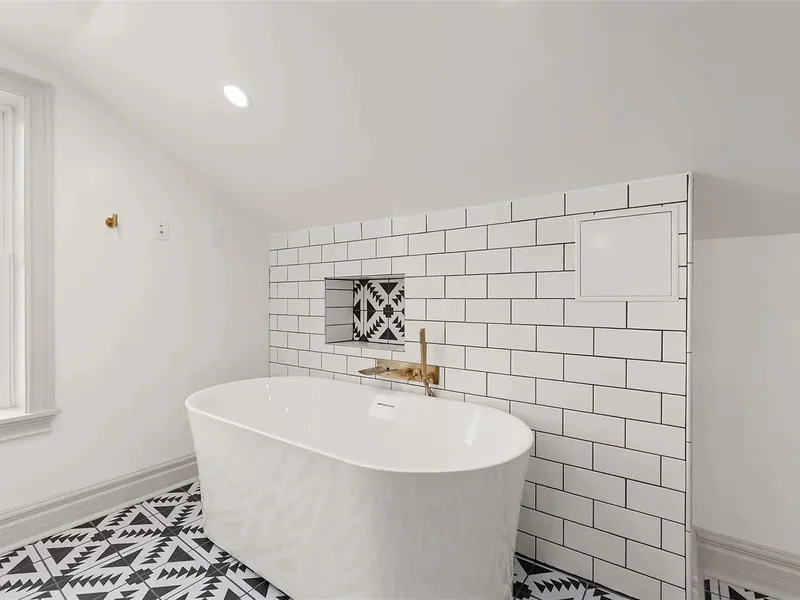
Bathroom remodeling in St. Louis City
A bathroom remodel in an older city house usually touches plumbing, wiring and ventilation, and the City requires a separate permit for each trade. We place new baths where drain lines and floor framing can support them.
Learn more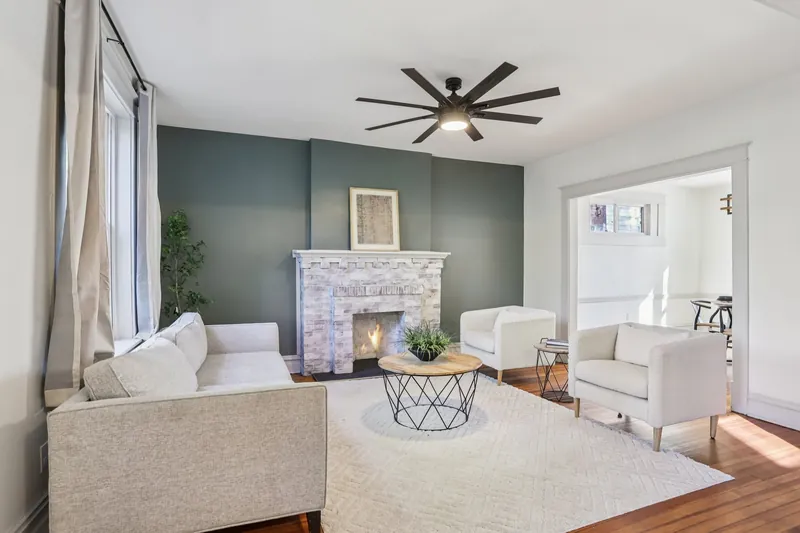
Whole-home renovation in St. Louis City
Whole-house work here often means taking a house, or a building of flats, back to a clear plan: structure, systems, kitchen, baths and finishes, built in an order that keeps finished rooms from being reopened.
Learn more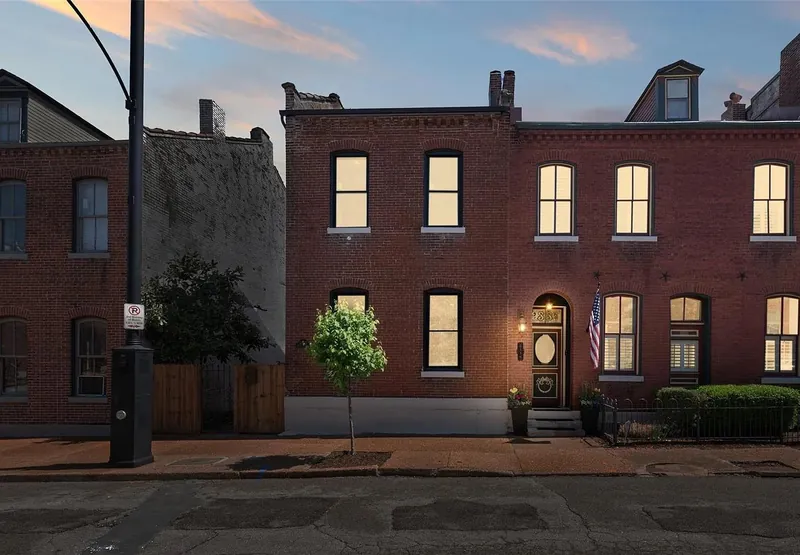
Historic restoration in St. Louis City
In the 18 local historic districts, exterior changes follow each district's design standards. We plan exterior work around Cultural Resources Office review and keep original brick, plaster and woodwork wherever it is sound.
Learn more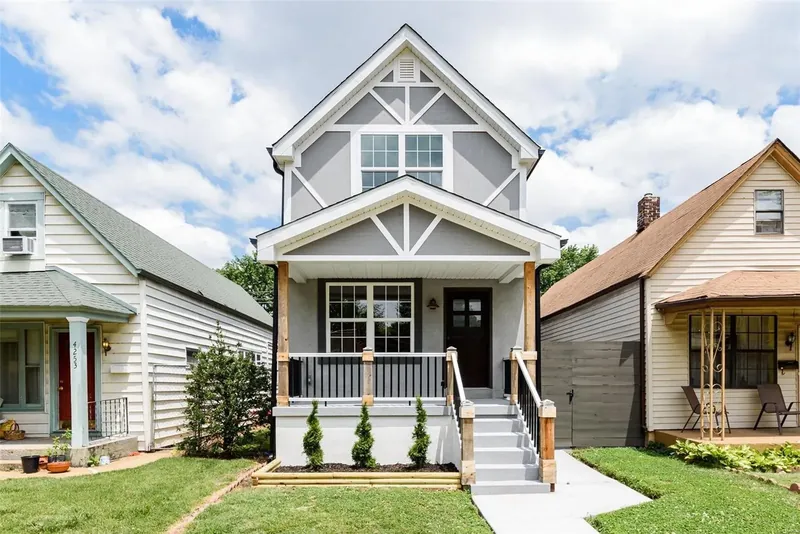
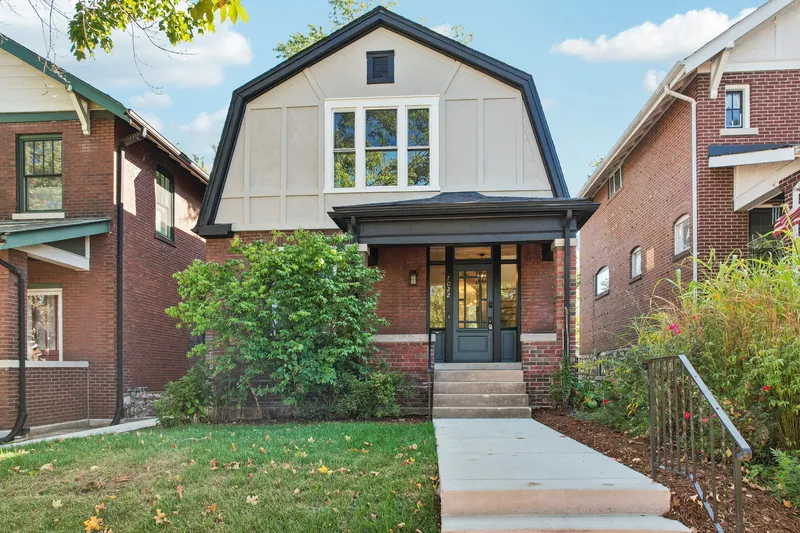
New homes and custom builds in St. Louis City
If you have a city lot to build on, our design side handles drawings and engineering and our crews build the house, with the building permit and any historic district review planned from the first sketch.
Learn moreBuilding permits come from the City's Building Division, and since March 2026 applications, plans, fees and status tracking can all be handled on the City's STL City Permits portal. Electrical, plumbing and mechanical work each need a separate permit. Electrical permits go to licensed electrical contractors certified by the City, with a narrow exception for owners doing limited work on a single-family house they live in, and the City says most electrical permit applications are approved within one to three business days.
Inside the 18 local historic districts, exterior changes go to the Cultural Resources Office for review, and the City's permit rules require approval for exterior painting, gutters and downspouts, windows, doors, tuckpointing and fences, even where the building code alone would not call for a permit. When a home sells, a Housing Conservation District Certificate of Inspection must be obtained before anyone can occupy the unit; all of the city is in the district, and a certificate is valid for 12 months. Rules and fees change, so check the City's current requirements before you plan around them.
Guides
For St. Louis City homeowners.
St. Louis historic districts
In a City of St. Louis historic district, exterior work from windows to paint can need Cultural Resources Office approval before a permit is issued. What gets reviewed, how long it takes and how to plan.
Read the guideSt. Louis brick homes
Why St. Louis built in brick, how solid masonry walls handle water, and what owners should know about repointing, sealers, insulation, exposed brick and historic review.
Read the guideOld house renovation costs
Why budgets for older St. Louis homes swing so widely, where the money goes behind the walls, and how to turn your house into a number you can actually plan around.
Read the guideFAQ
Remodeling in St. Louis City: common questions
Is my house in one of the City's historic districts?
Start with the Cultural Resources Office's list of the City's 18 local historic districts, which includes Lafayette Square, Benton Park, Soulard, Shaw and the Central West End, or call the CRO at (314) 657-3865. A National Register district is a separate designation: there the CRO reviews demolitions, not everyday exterior changes, unless the building is also in a local district or is a City Landmark.
Do I need a permit to replace windows in the City of St. Louis?
Outside historic districts, usually not, as long as the window opening stays the same size. On a City Landmark or in a local historic district, windows and doors need Cultural Resources Office approval, and the CRO generally asks for a building permit anyway.
Do you work outside these eight neighborhoods?
We do: throughout the City of St. Louis and in St. Louis, St. Charles and Jefferson counties. Our service area is Missouri only, so we do not work across the river in Illinois.
Nearby areas we serve
Free consultation
Planning a project in St. Louis City?
Tell us about your home and what you want to change. The first consultation is free, and we reply within one to three business days.
- Preservation Plan, Part I: Community Planning, City of St. Louis
- Preservation Plan, Part III: Vernacular Residential Property Types, City of St. Louis
- City Historic Districts, Cultural Resources Office, City of St. Louis
- Residential Permit Criteria, Building Division, City of St. Louis
- City of St. Louis Launches New Online Building Permit Portal, Office of the Mayor (March 5, 2026)
- Electrical Permit, Building Division, City of St. Louis
- Residential Occupancy and Certificates of Inspection, Building Division, City of St. Louis
- Cultural Resources Office, City of St. Louis