
St. Louis Hills, City of St. Louis
Home remodeling in St. Louis Hills
St. Louis Hills filled in with high-quality, all-brick homes from the 1930s through the 1950s, with Art Deco touches north of Eichelberger Street and brick ranches south of Francis Park. We update their kitchens and baths and protect the glass block, stained glass and hardwood that define them.
St. Louis Hills is bounded by Chippewa Street, Hampton Avenue, Gravois Avenue and the city limits, and its growth began with developer Cyrus Crane Willmore, who envisioned a modern middle-class and upper-middle-class neighborhood in the 1920s. In the 1930s it was marketed as "Country living in the City," and the parks back that up: David R. Francis donated the 60.3 acres of Francis Park in 1917, and much of the River Des Peres floodplain became the 105-acre Willmore Park in 1947. Ted Drewes on Chippewa and St. Mark's Church, a City Landmark since 1973, are neighborhood fixtures.
From the beginning, substantial owner-occupied single-family homes set the tone, and apartments in small and larger buildings were always part of the mix. The original construction was high-quality, so remodeling here is usually about updating rather than rescuing: bringing a 1930s or 1940s kitchen and bath up to date, rethinking a closed floor plan, and keeping the period details that make these houses distinctive. On Tamm and Donovan Avenues, east and west of Francis Park, the neighborhood association notes stately one-and-a-half and two-story homes, no two alike.
Places you will know
- Francis Park
- Willmore Park
- Ted Drewes on Chippewa
- St. Mark's Church
- Bancroft Avenue
- Tamm Avenue
Local homes
Art Deco brick to the north, ranches to the south
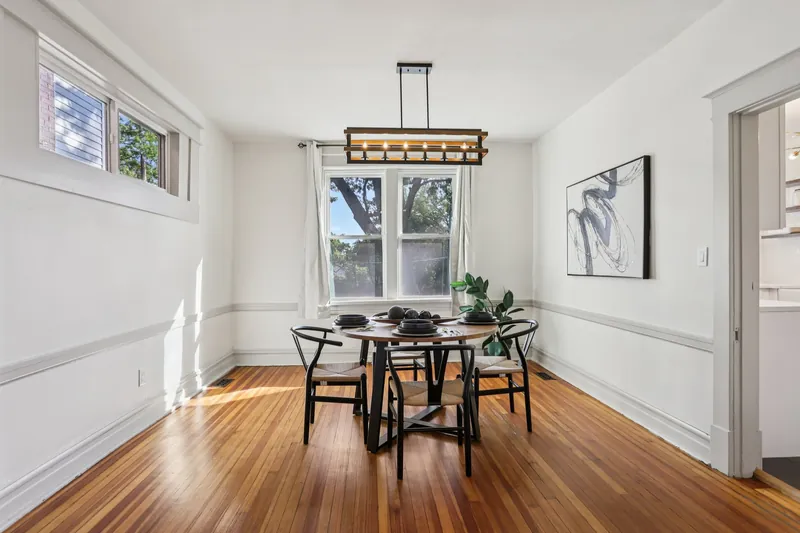
North of Eichelberger Street, the St. Louis Hills Neighborhood Association describes houses, duplexes and apartment buildings, many built in the 1930s and 1940s and strongly influenced by Art Deco: hardwood floors, stained glass often with southwestern motifs, stone work, glass block trim, casement and circular windows, and zigzag brick patterns. In the 6300 block of Bancroft Avenue, a row of 1930s bungalows dubbed the Hansel and Gretel houses faces four-family apartment buildings, and just west of Francis Park on Itaska Street stands an eight-sided Art Deco house whose sides all differ in length. South of Francis Park, the houses are primarily brick ranches, a style that became popular after World War II.
Remodeling here is mostly about kitchens, baths and systems inside brick walls. A kitchen from the 1930s or 1940s was not designed for today's appliances or for cooking with company in the room, and opening it up means confirming which walls carry load before anything comes down; removing a partition in living space requires a City building permit. The details that set the neighborhood apart, from glass block and stained glass to casement and circular windows, are hard to match, so plan around them and protect them during the work. In the postwar ranches, the same thinking applies to kitchens and baths from the 1940s and 1950s.
Services
What we build in St. Louis Hills.
Kitchen remodeling in St. Louis Hills
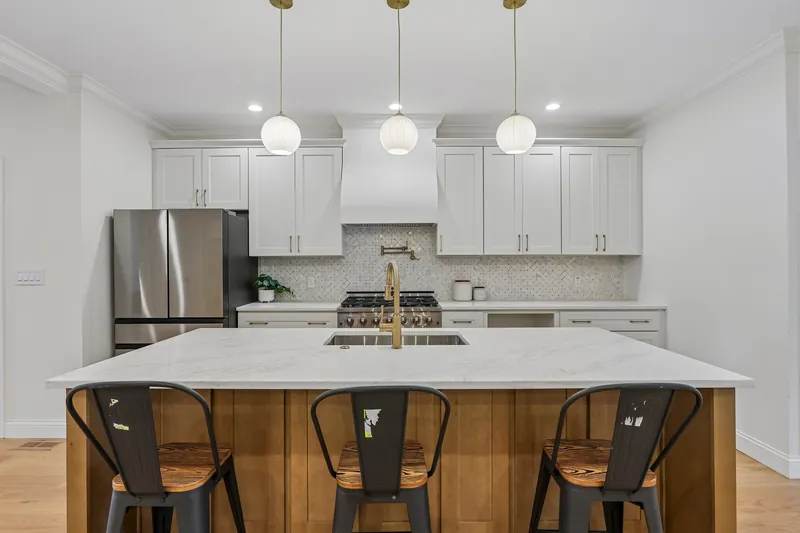
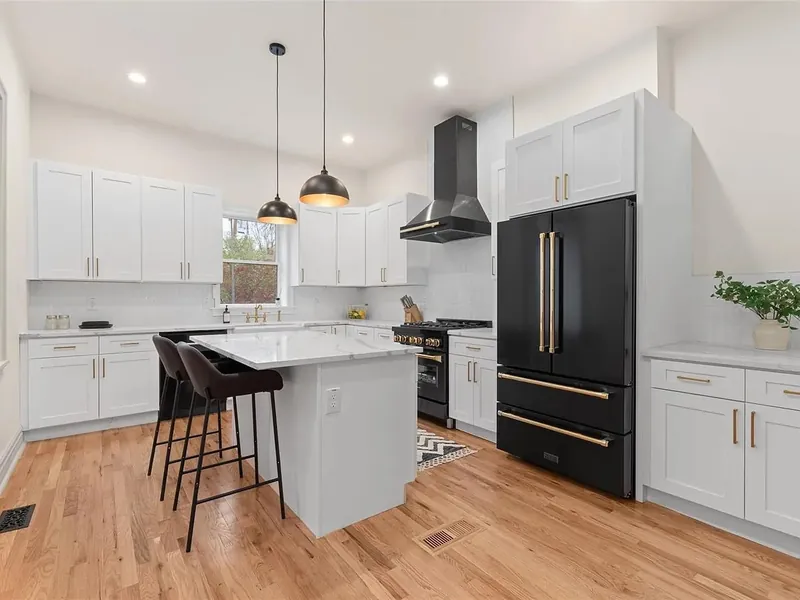
Kitchens in houses from the 1930s to the 1950s were built for a different way of cooking. We redesign them for storage, counter space and light while keeping the hardwood and trim around them intact.
Learn more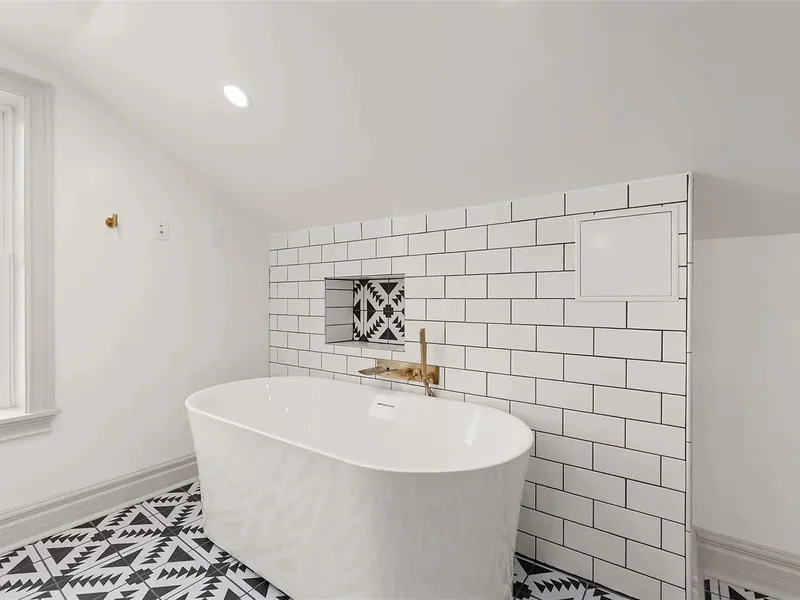
Bathroom remodeling in St. Louis Hills
A period bath with original tile can be restored or replaced, and glass block windows can often stay. We help you weigh the options, then rebuild with modern waterproofing and ventilation.
Learn more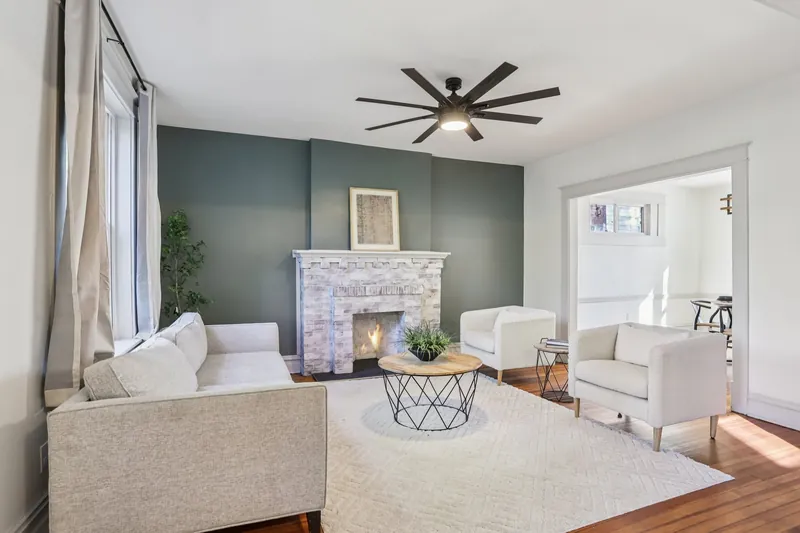
Whole-home renovation in St. Louis Hills
Whole-house updates here focus on layout, wiring and finishes, planned so Art Deco details, glass block and original hardwood come through the work intact.
Learn more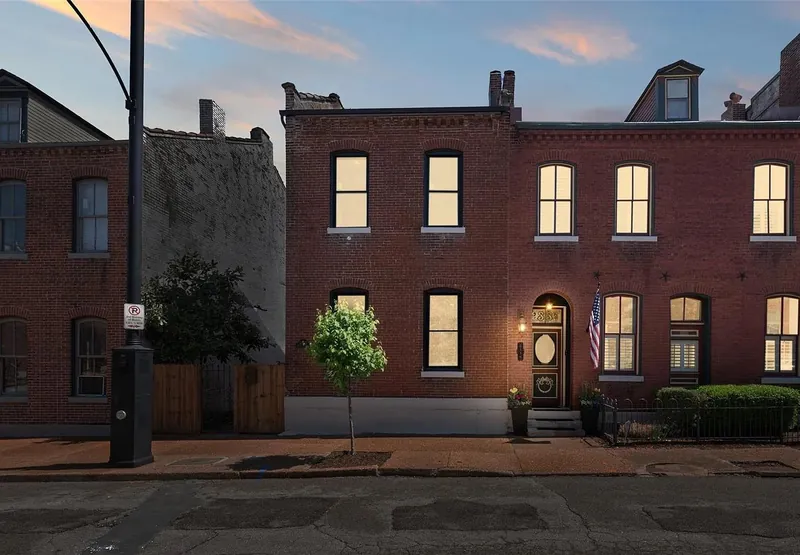
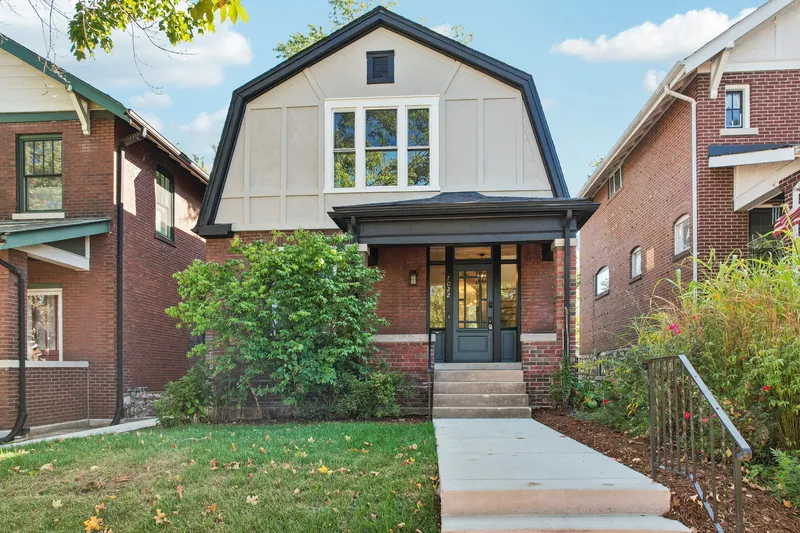
Historic restoration in St. Louis Hills
No local district standards apply in St. Louis Hills, so restoration here is voluntary, and that leaves room to do it well. Stained glass, glass block, casement windows and decorative brick are usually worth repairing rather than replacing.
Learn moreSt. Louis Hills sits outside all 18 of the City's local historic districts, so exterior work such as same-size window replacement, painting and tuckpointing needs no Cultural Resources Office review and, under the City's permit criteria, no building permit. Moving walls, structural work and attic conversions do need a permit.
Applications go through the STL City Permits portal, with a $25 application fee plus a permit fee that scales with the estimated construction cost. Electrical work needs its own permit, normally obtained by a City-certified electrical contractor; the homeowner exception lets an owner who lives in a single-family house, and passes a short Building Division test, take out permits for limited repairs or modifications.
Guides
For St. Louis Hills homeowners.
St. Louis historic districts
In a City of St. Louis historic district, exterior work from windows to paint can need Cultural Resources Office approval before a permit is issued. What gets reviewed, how long it takes and how to plan.
Read the guide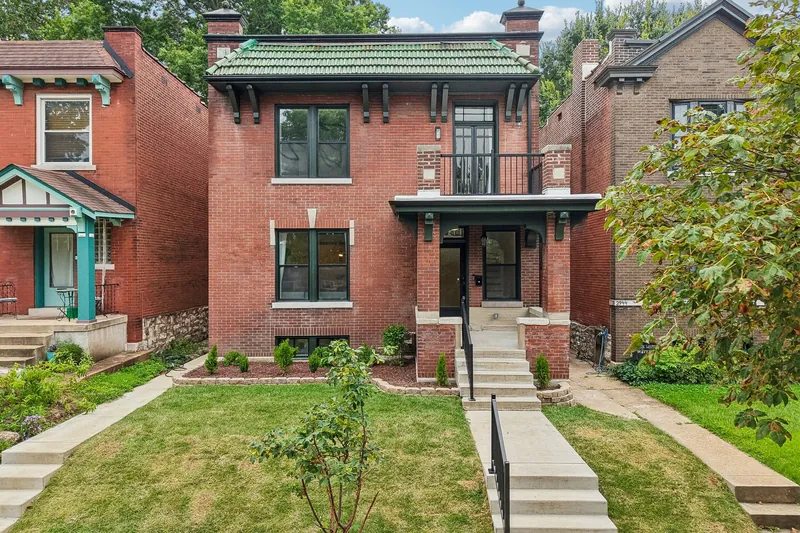
St. Louis brick homes
Why St. Louis built in brick, how solid masonry walls handle water, and what owners should know about repointing, sealers, insulation, exposed brick and historic review.
Read the guideOld house renovation costs
Why budgets for older St. Louis homes swing so widely, where the money goes behind the walls, and how to turn your house into a number you can actually plan around.
Read the guideFAQ
Remodeling in St. Louis Hills: common questions
Is St. Louis Hills a historic district?
Not under City law. It is not on the City's list of local historic districts, so exterior changes do not go through Cultural Resources Office design review. Individual buildings can still be landmarks: St. Mark's Church has been a City Landmark since 1973.
Can I keep my glass block windows during a bathroom remodel?
In most cases, yes. Glass block can stay in place while the room around it is rebuilt, as long as it is protected during demolition and the wall around it is sound. Cracked blocks are the hard part, since an exact match is not always available, so check before you plan.
Do I need a permit to remodel my kitchen?
Not for installing new cabinets or refinishing floors, which the City lists as work that needs no building permit. Moving or removing walls does need one, and any plumbing, electrical or mechanical work needs its own trade permit.
Nearby areas we serve
Free consultation
Planning a project in St. Louis Hills?
Tell us about your home and what you want to change. The first consultation is free, and we reply within one to three business days.
- St. Louis Hills Neighborhood Overview, City of St. Louis
- Parks and Architecture, St. Louis Hills Neighborhood Association
- St. Louis Hills, St. Louis, Wikipedia
- City Historic Districts, Cultural Resources Office, City of St. Louis
- Residential Permit Criteria, Building Division, City of St. Louis
- Building Permit, Building Division, City of St. Louis
- City of St. Louis Launches New Online Building Permit Portal, Office of the Mayor (March 5, 2026)
- Electrical Permit, Building Division, City of St. Louis